📌 Definition
Atypical angina (also called non-classical angina) refers to chest pain that does not meet all the criteria of typical angina.
👉 It usually has 2 out of 3 classic angina features:
Substernal chest discomfort
Provoked by exertion or stress
Relieved by rest or nitrates
Typical angina → all 3 features
Atypical angina → any 2 features
Non-anginal chest pain → ≤1 feature
🧠 Pathophysiology
Caused by myocardial ischemia, but presentation varies
May involve:
Partial coronary artery obstruction
Microvascular dysfunction
Coronary vasospasm
👉 Common mechanism: imbalance between oxygen supply and demand
⚠️ Risk Factors
Same as coronary artery disease (CAD):
Age (>45 men, >55 women)
Diabetes mellitus
Hypertension
Smoking
Dyslipidemia
Obesity
Sedentary lifestyle
Family history of CAD
🔍 Clinical Features
🧾 Symptoms (less typical presentation)
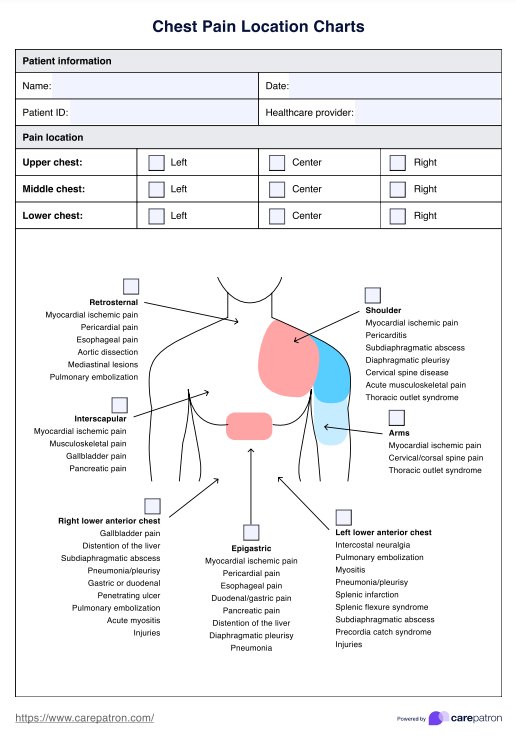

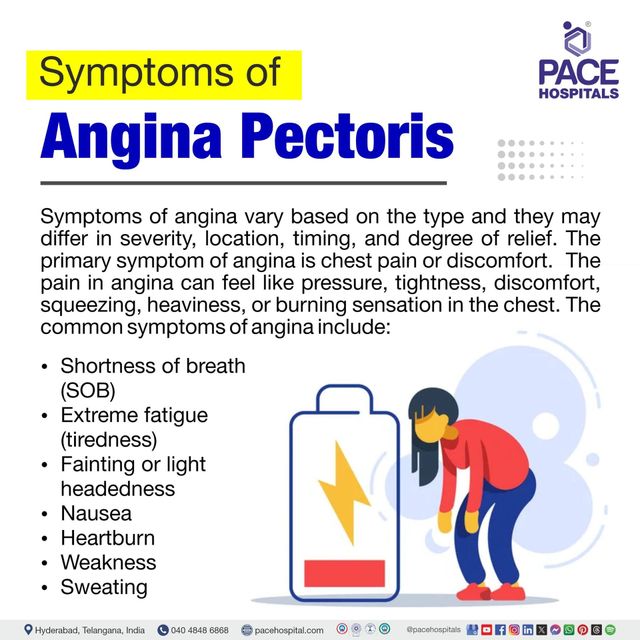
Chest discomfort may be:
Sharp, stabbing, or burning
Not strictly retrosternal
Pain may radiate to:
Jaw
Neck
Back
Epigastrium
🚨 Associated Symptoms
Dyspnea (common!)
Nausea or vomiting
Fatigue
Dizziness
Indigestion-like feeling
👉 Important:
More common in:
Women
Elderly
Diabetics (silent or atypical ischemia)
⚖️ Differences: Typical vs Atypical Angina
| Feature | Typical Angina | Atypical Angina |
|---|---|---|
| Pain nature | Pressure, squeezing | Variable (burning, sharp) |
| Location | Retrosternal | May be diffuse/epigastric |
| Trigger | Exertion | May be unclear |
| Relief | Rest/nitrates | May be inconsistent |
| Diagnosis | Easier | Often missed |
🧪 Investigations
1. ECG
May be normal at rest
During pain: ST depression or T-wave inversion
2. Cardiac Biomarkers
Troponin (to rule out MI)
3. Stress Testing
Exercise stress ECG
Stress echocardiography
4. Imaging
Coronary angiography (gold standard)
CT coronary angiography
🩺 Diagnosis
Based on:
Clinical history (very important!)
Risk factors
ECG + stress testing
👉 Often requires high suspicion, especially in atypical cases.
💊 Management
🧴 Lifestyle Modifications
Smoking cessation
Weight control
Regular exercise
Healthy diet
💉 Medical Therapy
Nitrates (symptom relief)
Beta-blockers (↓ demand)
Calcium channel blockers
Antiplatelets (e.g., Aspirin)
Statins
🏥 Revascularization (if severe)
PCI (angioplasty)
CABG
⚡ Complications
Myocardial infarction
Arrhythmias
Heart failure
Sudden cardiac death
🚨 Key Clinical Points (Exam Pearls)
Atypical angina = 2/3 classic features
Common in women, elderly, diabetics
Often presents as:
Breathlessness instead of chest pain
Can mimic:
Gastritis
Musculoskeletal pain
Always rule out acute coronary syndrome (ACS)
🧠 Quick Memory Trick
👉 “Atypical = Almost typical (2/3)”
If you want, I can also give:
MCQs on atypical angina
Case-based questions
Quick revision charts
Comparison with unstable angina and MI
Comments
Post a Comment